
When it comes to heavy-duty industrial operations, the choice of rope is never a small decision. From construction sites and marine environments to lifting, rigging, and logistics, the right rope directly impacts safety, efficiency, and cost. Two of the most commonly compared options are PP rope and nylon rope. While both are widely used across industries, their performance differs significantly depending on the application. Understanding these differences helps engineers, contractors, and procurement managers make the right choice for demanding workloads.
Understanding PP Rope and Nylon Rope
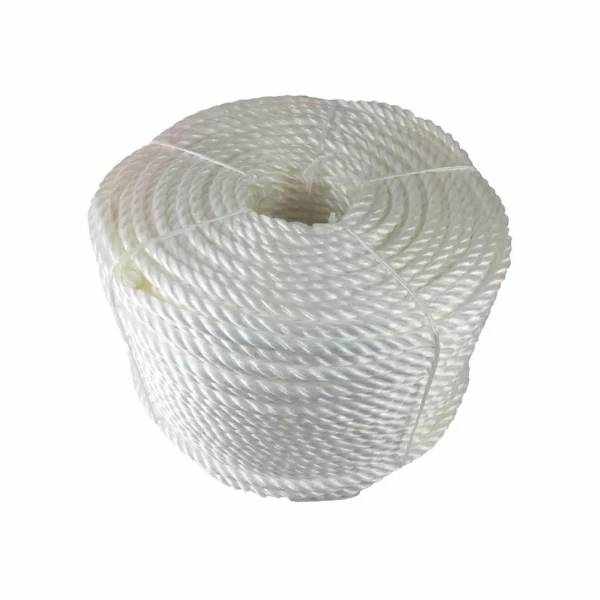
PP rope, short for polypropylene rope, is a lightweight synthetic rope known for its resistance to moisture and chemicals. It is commonly used in marine, construction, and industrial handling applications where exposure to water and chemicals is frequent. Nylon rope, on the other hand, is a high-strength synthetic rope valued for its elasticity, abrasion resistance, and shock-absorbing properties. It is often used in applications that involve dynamic loads or sudden impacts.
Both ropes serve heavy-duty purposes, but their material properties determine how well they perform under specific conditions.
Strength and Load Performance
For heavy-duty lifting and static load applications, PP rope offers an excellent strength-to-weight ratio. It is strong enough for many industrial uses while remaining lightweight and easy to handle. This makes PP rope particularly suitable for tasks such as cargo handling, safety lines, and general rigging where ease of use and efficiency matter.
Nylon rope generally has a higher tensile strength than PP rope of the same diameter. It also stretches under load, which allows it to absorb shock effectively. This elasticity makes nylon rope ideal for applications like towing, mooring, and lifting operations where sudden forces can occur. However, this stretch can be a disadvantage in precision lifting or load positioning, where minimal elongation is preferred.
Durability and Environmental Resistance
One of the biggest advantages of PP rope is its resistance to water. It does not absorb moisture and continues to float, making it a preferred choice for marine and offshore operations. It also performs well in environments exposed to chemicals, oils, and acids, which are common in industrial settings. These properties contribute to a longer service life when used outdoors or in harsh conditions.
Nylon rope, while extremely durable, absorbs water over time. This can slightly reduce its strength and increase its weight, especially in marine or humid environments. However, nylon excels in abrasion resistance and performs well on rough surfaces or where constant friction is involved. For indoor or controlled environments, this durability can be a significant advantage.
Weight, Handling, and Cost Considerations
Weight plays a crucial role in heavy-duty operations, especially where ropes are frequently moved, installed, or replaced. PP rope is much lighter than nylon rope, which reduces handling fatigue and improves operational efficiency. Its lighter weight also lowers transportation and storage costs.
From a cost perspective, pp rope is generally more economical than nylon rope. This makes it an attractive option for large-scale industrial buyers who require reliable performance without exceeding budget constraints. Nylon rope, while more expensive, justifies its cost in applications where shock absorption and higher tensile strength are critical.
Application Suitability in Heavy-Duty Industries
In construction, warehousing, and general industrial lifting, PP rope is widely used due to its balance of strength, durability, and affordability. It is commonly chosen for guidelines, safety ropes, cargo bundling, and marine operations where water exposure is unavoidable.
Nylon rope is better suited for heavy-duty applications involving dynamic loads, such as crane operations, towing, anchoring, and mooring systems. Its ability to absorb energy reduces stress on equipment and improves overall safety in high-impact scenarios.
Choosing the Right Rope Supplier or Manufacturer
Selecting the right rope is only part of the equation. Working with a reliable manufacturer or supplier ensures consistent quality, proper load ratings, and compliance with industry standards. A trusted supplier will also guide buyers on rope specifications based on application requirements, safety factors, and environmental conditions.
In the UAE, where industries like construction, oil and gas, marine, and logistics demand high-performance lifting and rigging solutions, sourcing quality ropes is essential. Companies such as Apex Lifting are known in the region for providing industrial-grade lifting products that meet demanding operational needs, making supplier reliability just as important as product selection.
Final Thoughts: Which Rope Is Better for Heavy-Duty Use?
There is no single winner in the PP rope vs nylon rope debate. The better choice depends entirely on how and where the rope will be used. PP rope stands out for water resistance, lightweight handling, and cost-effectiveness, making it ideal for many heavy-duty industrial and marine applications. Nylon rope excels in strength, elasticity, and abrasion resistance, making it the preferred option for dynamic and high-impact operations.
For industrial buyers and contractors in the UAE, the key is to match the rope’s properties with the application requirements and partner with a reliable manufacturer who understands local industry demands. Choosing the right rope from a trusted supplier ensures safety, efficiency, and long-term value in heavy-duty operations.




Write a comment ...